

 Sugar is a big problem, that news isn’t a shock to anyone. Some might say it is actually an epidemic. After all, sugar appears in nearly all foods, some that you would expect, such as drinks, jams, spreads and breakfast cereals, but some that you wouldn’t expect, such as salad dressing, soup and even pasta sauce.
What can you do about it and are there healthy sugar alternatives?
A recent report actually shows that North Americans eat, on average a half of a cup of sugar…every day. Those amounts are bound to cause problems, but the question becomes, how can you even begin to address the problem if you don’t know where all of this sugar is hiding?
Focus on real wholefoods – organic preferably if you can afford it. Opting for low GI foods is another must if you are looking to have healthy balanced blood sugar levels.
Why is Sugar Bad for You?
The effect of sugar is more or less the same, whether you are consuming loads of white sugar, refined sugar, icing sugar or brown sugar, sugar means a spike in your blood sugar levels once you have consumed it. So one of the most common sugar myths is officially busted, if you are consuming brown sugar, because you believe it has the illusion of being more earthy or natural, it doesn’t mean that it won’t affect your blood sugar levels. And high blood sugar is a common complaint due to the issues it creates with insulin, which can severely harm your health e.g. obesity, diabetes and fatty liver disease.
Proper balance of blood sugar is very important, and whether the sugar is brown, or white, it can wreak havoc on your blood sugar levels, which need to be kept in appropriate balance to achieve optimal health.
Another thing to remember is that every time you consume sugar, not only is your blood sugar negatively affected, your fat hormones are inadvertently triggered and your immune system becomes sluggish which can lead to a whole host of other health problems. When your immune system is lagging it can give bacterial and viral infections a chance to thrive, which opens you up to many other health problems.
What Helps?

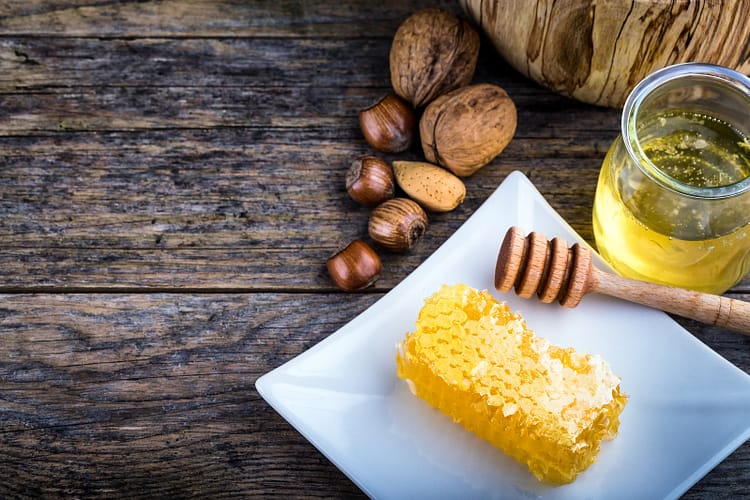
Don’t give up the sugar fight, it might appear to be a losing battle of avoidance because it seems that refined sugar is saturated in so many common and uncommon hiding places, but there are other sugar options to sweeten your food so you aren’t depriving yourself either. Consider using some organic raw honey as a substitute for traditional sugar. It doesn’t give the same blood sugar highs and lows that the normal sugar does, and is tasty alternative to the types of sugar that are causing so many problems.
Low GI Foods are also essential.
Parents, for a great eating plan for Kids, follow this link: Eating Plan for Hyper Kids.
Here Are Some Refined Sugar Alternatives:
* As always consult with your registered Health Professional before making any changes to your diet and lifestyle.
[4] Consumption of added sugars and indicators of cardiovascular disease risk among US adolescents. Welsh J.A., Sharma A., Cunningham S.A.,et. al., Nutrition and Health Science Program, Children’s Healthcare of Atlanta, Atlanta, GA, Circulation. 2011 Jan 25;123(3):249-57.
[5] High-fructose corn syrup: everything you wanted to know, but were afraid to ask., Fulgoni V 3rd, Nutrition Impact, LLC, Battle Creek, MI, American Journal of Clinical Nutrition. 2008 Dec;88(6):1715S.

You might be interested in:
How Healthy is Your Cooking Oil? We use cookin...
What’s the key to maintaining a healthy eating rou...
Many people, especially new parents, don't have th...
 English