

How to give your brain what it needs to perform at its best.
Adaptation of Article by Ben Hulet.
 Just as muscles require specific nutrition to function optimally so too do our brains require specific nutrition to realise their true cognitive potential.
Do we ever think about what we feed our brain?
It’s only one of the most important organs in the body. The kinds of food we consume directly affect how our brain functions. Too few calories may cause hunger pangs and distractibility. Too many calories may have us feeling lazy and not able to concentrate. When we drink caffeinated coffee, what happens? We become more alert; oftentimes descending into the infamous post caffeine-crash where we feel so low it feels like we need to be scraped off the floor.
Brain Drainers
Refined carbohydrates such as white bread or sugary soft drinks can cause insulin levels to spike, impairing the body’s ability to metabolize sugar. This can cause blood vessel damage and can quicken the aging process. A refined- and high-carb diet has also been linked to increased levels of beta-amyloid, a fibrous plaque that harms brain cells.1
Brain Boosters
 When it comes to brain food, think less refined sugar, more antioxidants and healthy fats!
1. Low-Glycemic Carbohydrates: Glucose is a form of sugar that circulates in our blood, and is the brain’s primary source of fuel. So, we need it for brain function. Low-glycemic carbs cause low levels of glucose in the blood carbs which help keep blood sugar levels normal. These Low GI carbs are converted to glucose slower, so the pancreas isn’t overloaded. Whole grains and vegetables are a great source of low-glycemic carbs.
 Unfortunately, the supermarket diet usually includes too much sugar. With constant high glucose levels, over time, our cells can become less sensitive to insulin, causing the pancreas to make more. This high glucose/insulin combination may affect IQ levels, memory, and learning and general brain function.
2. Healthy Fats:
 You’ve probably heard nutritionists mention that there are healthy fats and unhealthy fats. Healthy fats are vital to our brain and body’s functioning and can be found in Fish that is rich in Omega-3 fatty acids. Herring, wild-caught salmon and Halibut can provide great sources of Omega-3s (also known as docosahexaenoic acid or DHA). This fatty acid is found in the gray matter of the brain. Omega-3s, especially DHA, improve communication between brain cells. As a result, lack of Omega-3 can cause a communication breakdown in the brain.2
 Omega-3 capsules are a great source of the pure essential fatty acids our body needs to maintain good health, especially brain health.*
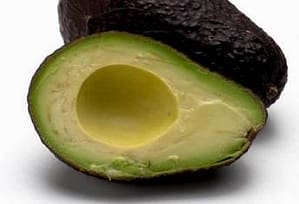
Avocados contain monounsaturated fat, a good fat, contributing to healthy blood flow, thus a healthy heart and brain. Avocados also lower blood pressure, which may promote brain health as well.
Unhealthy Fats:
- Saturated fat: This is a type of fat that comes mainly from animal sources of food. Saturated fat raises total blood cholesterol levels and low-density lipoprotein (LDL) cholesterol levels, which can increase your risk of cardiovascular disease. Saturated fat may also increase your risk of type 2 diabetes.
- Trans fat: This is a type of fat that occurs naturally in some foods, especially foods from animals. But most trans fats are made during food processing through partial hydrogenation of unsaturated fats. These trans fats are called industrial or synthetic trans fats. Research studies show that synthetic trans fat can increase unhealthy LDL cholesterol and lower healthy high-density lipoprotein (HDL) cholesterol. This can increase your risk of cardiovascular disease.
 Most fats that have a high percentage of saturated fat or trans fat (the unhealthy fats) are solid at room temperature. Because of this, they’re typically referred to as solid fats. They include beef fat, pork fat, shortening, stick margarine and butter.
Research conducted at Brigham and Women’s Hospital in Boston found that consuming bad saturated fats may be associated with a decline in cognitive function and memory in older women. Women that consumed monounsaturated fats, such as olive oil, had better cognitive scores over time.3
3. Antioxidants:  These substances help get rid of free radicals. Free radicals are formed when glucose and oxygen are burned. The brain burns more glucose and oxygen than any other organ in the body, thus it produces a lot of free radicals which can destroy nerve cells. Antioxidants work to neutralize free radicals.
Any fruit and vegetable that is antioxidant rich is healthy for the brain. Blueberries and strawberries top the list. Kale is also very high in antioxidants. Walnuts contain high amounts of antioxidants, as do many other nuts.
Ambrotose® AO capsules combine plant extracts and antioxidants with naturally sourced vitamins C and E for protection.* Taking two capsules a day is clinically proven, through blood testing, to provide over 2 ½ times more antioxidant protection than five servings of fruits and vegetables.⁴
4. Glyconutrients: Glyconutrients, or polysaccharides, are fundamental nutrients from nature the body needs at its most foundational level to maintain optimal wellness. They influence almost every aspect of our cellular processes. It was shown in placebo-controlled trials of healthy young adults, that Glyconutrient consumption enhanced brain wave activities associated with alertness and language processing 30-60 minutes after intake.5
5. Green Tea: A Japanese study published in The American Journal of Clinical Nutrition found that elders who drink green tea may have sharper minds than those that don’t. Drinking at least two cups of green tea daily was tied to the lowest risk of cognitive impairment.6
6. Vitamin D: Two new studies in the Journals of Gerontology show that vitamin D may be a vital component for the cognitive health of women as they age. Very low levels of vitamin D were associated with higher odds of cognitive impairment.7
Take Your Brain for a Walk
 Challenging your brain each day helps create new connections and strengthen existing ones.
Simple exercises, crossword puzzles, memory games, word matching, and reading, can give a big boost to the brain. Lumosity is a great place to find fun yet challenging brain games.
Another way to keep the brain sharp is to change up your routine – not only is this good for brain development it’s a great way to sharpen your senses. For example, try getting dressed in the morning with your eyes closed, or brushing your teeth with the opposite hand or taking a new route to work or writing or using your mouse with the opposite hand to the one you normally use.
Nothing prevents the aging process, but there are many things you can do to stay sharp. Concentrating on eating meals rich in fruits, vegetables, healthy fats and whole grains and giving your brain regular exercise sessions are great ways to ensure healthy development. This alone may improve attention, creativity, and memory while preventing long-term mental deterioration.
References:
1The Better Brain Diet, Eat Right to Stay Sharp, by Lisa Marshall. Natural Awakenings. North Texas Edition. NA-NTX.com
2http://www.naturalnews.com/016353.html
3Bad Fats Are Brain-Busters. Natural Awakenings. North Texas Edition. NA-NTX.com
4 Comparison of serum ORAC values obtained in two separate clinical studies funded by Mannatech.
5 Wang C, Szabo JS, Dykman RA. Effects of a carbohydrate supplement upon resting brain activity. Integr Physiol VBehav Sci 2004;39:126-38.
6http://ajcn.nutrition.org/content/early/2012/01/24/ajcn.111.023200
7Journals of Gerontology Series A: Biological Sciences and Medical Sciences
8Science Daily: http://www.sciencedaily.com/releases/2007/02/070221101326.htm
*These statements have not been evaluated by the Food and Drug Administration. This product is not intended to diagnose, treat, cure or prevent any disease.
You might be interested in:
Athletes are constantly scanning for ways to go be...
Moms are busy individuals. Aside from having to...
Fascinating chart showing what food helps which pa...
 English